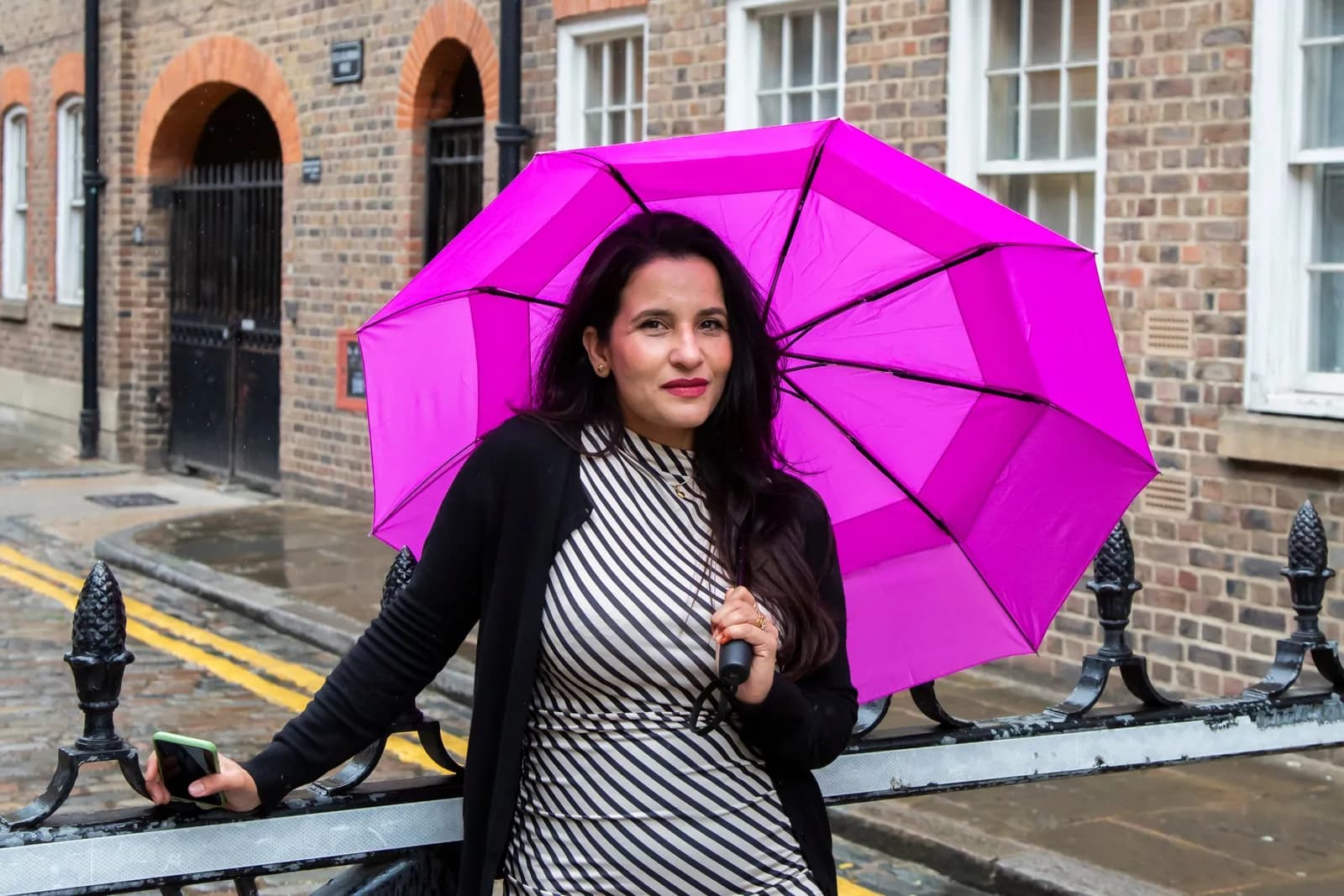
Fiza Khattak from Heathrow and National Fostering Group are calling for more carers who can support children arriving in care with complex needs.
Children are arriving in the care system with physical disabilities, trauma-related needs, neurodiverse conditions and emotional or behavioural challenges, and there is a growing need for foster carers with the knowledge, skills and mindset to help these children thrive.
Fiza Khattak (45), from Heathrow, has been fostering with National Fostering Group for 12 years and has welcomed more than 30 children into her home.
She has cared for unaccompanied asylum-seeking children and young people fleeing war and trauma through her years as a carer.
A year-long therapeutic fostering course through NFG has given her the tools to respond to complex needs with patience and understanding.
She said: "I’ve cared for young people who’ve fled war and made difficult journeys across as many as 11 countries, carrying trauma most of us can’t imagine. As their foster carer, I can be the bridge that helps them finally open up and begin to feel safe.
"The therapeutic training and 24/7 support from NFG has been invaluable. It’s given me the tools to respond to difficult behaviour with patience and understanding, rather than fear.
"Complex needs aren’t something to be afraid of. They just ask you to meet a child where they are and show up for them."
While people from all walks of life can foster, children with higher needs often benefit from carers with experience in care-giving or public service roles, such as teaching, nursing, social care or the emergency services.
Currently, 28% of foster carers come from healthcare or public sector roles before fostering, but demand for carers with these skills continues to grow.
Tim Barclay, CEO of National Fostering Group, said:
"The children coming into care today have increasingly complex needs, and the system needs carers who are ready to meet them. What this data shows is not just a numbers problem, it is a skills challenge.
"People who have spent their careers in nursing, teaching, social work or the emergency services already have so much of what it takes. They understand trauma, they know how to stay calm under pressure, and they have the instinct to put someone else’s needs first. We want them to know that fostering is a way to put those skills to work where they matter most."
NFG is calling on people from these backgrounds to take the next step and discover the difference they could make as a foster carer.
As an organisation, they ensure all carers receive comprehensive training, ongoing professional development and 24/7 specialist support.
Carers receive a tax-free allowance of up to £24,500 per year, and higher where the children have complex needs, to help cover the time, care and costs involved.
More information about fostering can be found on the National Fostering Group website.