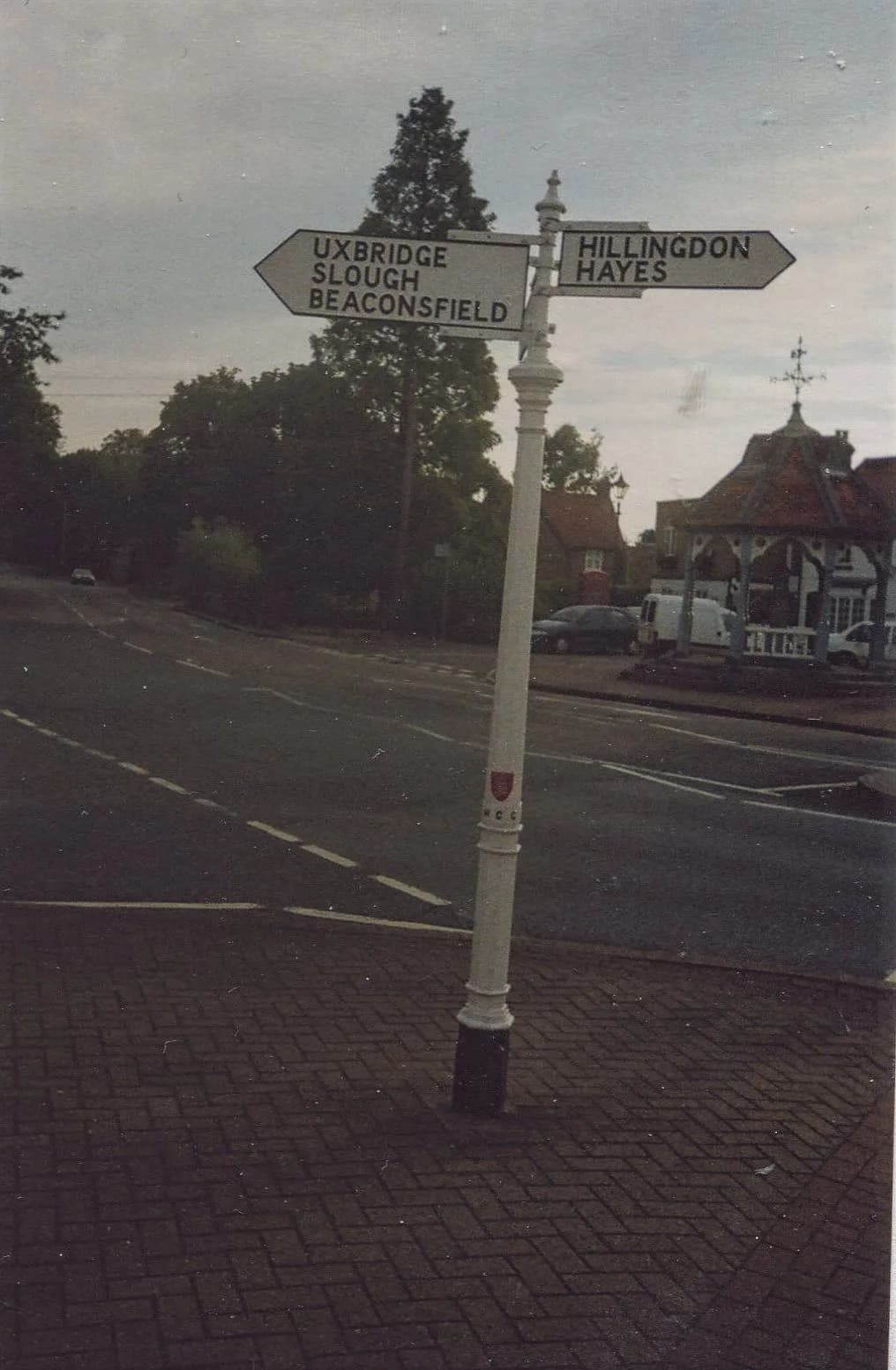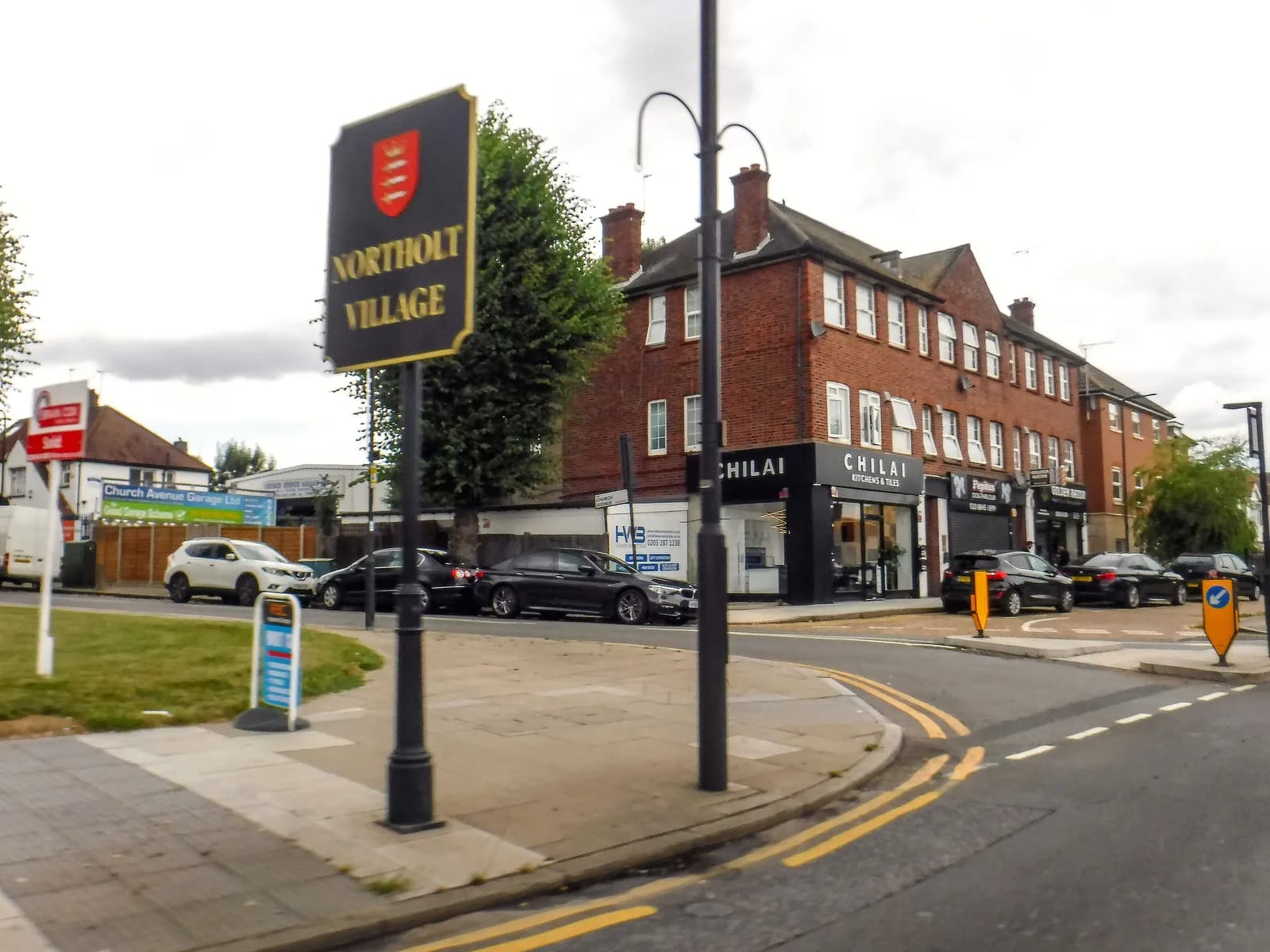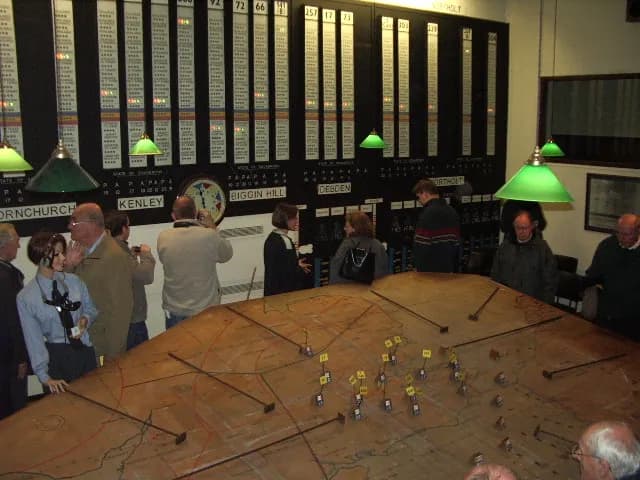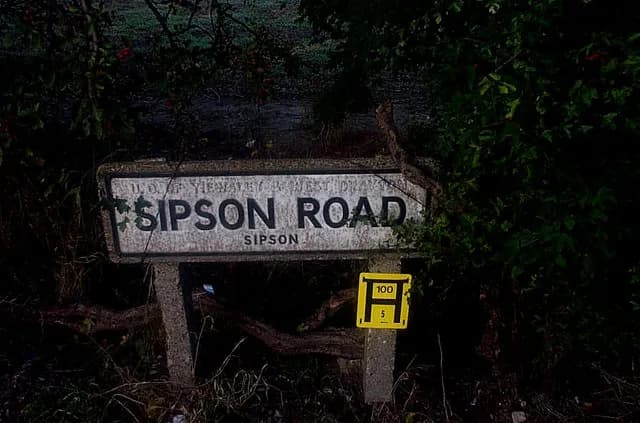
Next time you walk through your neighbourhood or hop off the tube at Hillingdon, take a moment to look at the street signs. Each name you see is more than a handy label. It is a clue to the borough’s past, carrying stories of old settlements, local characters and turning points in the life of Hillingdon.
The very name Hillingdon is itself a piece of living history. Recorded in the Domesday Book as Hillendone, its meaning is thought to be “the hill of Hille, Hilla or Hilda”. It might refer to a notable figure, or perhaps simply a geographical marker on Hillingdon Hill near Uxbridge. This glimpse of Anglo-Saxon England is a reminder that place names were once practical guides shaped by the landscape and the people who worked it. Hillingdon’s early identity as a hill-top settlement remains at the heart of a borough now home to thousands.
The story moves from medieval times into more recent centuries, where the pattern of names shifts to reflect ownership and influence on local land. Nowhere does the 20th century leave its mark more clearly than in clusters of street names from the age of social housing and civic commemoration.
Head to Yeading and you’ll discover a group of short roads with names that would be at home in a political biography. Attlee Road, Ayles Road, Bevin Road, Bondfield Avenue, Keir Hardie Way, Morrison Road and Webbs Road are all named after Labour politicians and social reformers. This cluster was created as part of a social-housing development and stands as a statement in brick and tarmac about the values and vision of a changing community.
Elsewhere, especially near the site of the former RAF Uxbridge, the street names tell of bravery in entirely different terms. Dowding Road, Gossage Road, Keith Park Road, Portal Close, Saunders Road and Tedder Close all honour air marshals and commanders from the Second World War. These names help preserve memories of the area’s vital aviation history and the crucial role played in the Battle of Britain. For newer generations in Hillingdon, these names are an everyday link back to wartime stories and the people who shaped national events from this very corner of West London.
From ancient hill-top settlements and political reforms to wartime heroism, Hillingdon’s addresses act as a map of history. Each street is a reminder that the places we live in carry layers of meaning built by those who came before. Next time you pass a familiar sign, think of the story behind the name and how you, too, are part of Hillingdon’s unfolding tale.